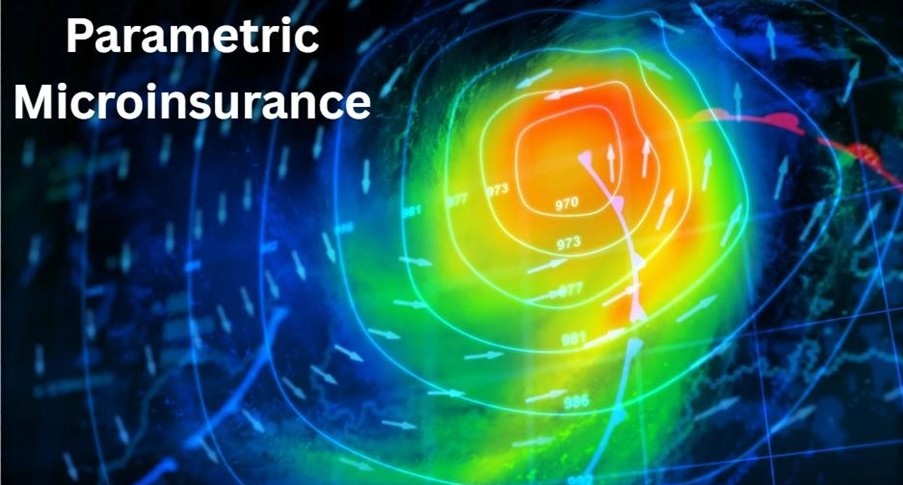
Introduction
“When it rains, I can’t take my auto out — no rides, no money, but my EMI is still due,” says Ramesh, an auto-rickshaw driver in Hyderabad
One evening, while rushing to deliver an order, Ramesh was involved in a road accident. He suffered severe injuries to his leg and needed immediate medical attention. After being rushed to the hospital, Ramesh was informed that he would need surgery followed by months of rehabilitation.
The erratic nature of climate not only impact the agriculture but also to the frontline workers in many forms, some are listed below:
Heatwaves Are an Economic Hazard
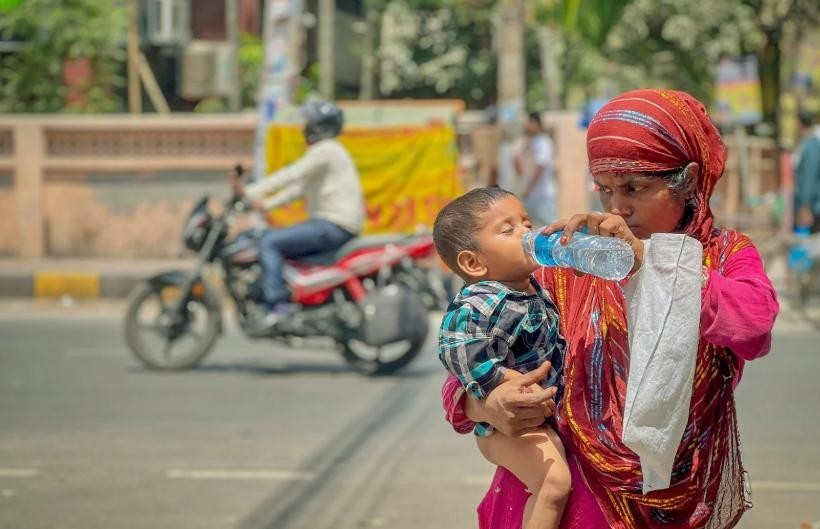
In recent years, Indian cities have recorded temperatures say exceeding 45°C. For those working outdoors or in non-air-conditioned spaces such as security guards, street hawkers, transport and delivery workers these conditions are not just uncomfortable; they are dangerous.
During summer, passengers demand air conditioning during travel or delivery. However, informal workers often avoid using AC to save fuel, which leads to customer dissatisfaction and even lower earnings. This sparked the recent “No AC campaign”, where gig and platform workers protested considering lower earnings in the event of turning on AC.
The International Labour Organization (2019) projects a loss of 136 million full-time jobs globally by 2030 due to heat stress which translate to 3.8% of total working hours, and $2.4 trillion in lost productivity. Most of these losses will be concentrated in low- and middle-income countries like India, and particularly among workers who cannot shift their work indoors or to cooler hours.
Rains Are No Longer a Blessing
Erratic and excessive rainfall is also proving economically devastating for workers. In urban India, frequent waterlogging and flash floods cause:
- Work cancellations and job delays.
- Disruptions in transportation services.
- Fare hikes and surge pricing on ride-hailing platforms.
- Closures of small shops, food stalls, transport services etc.
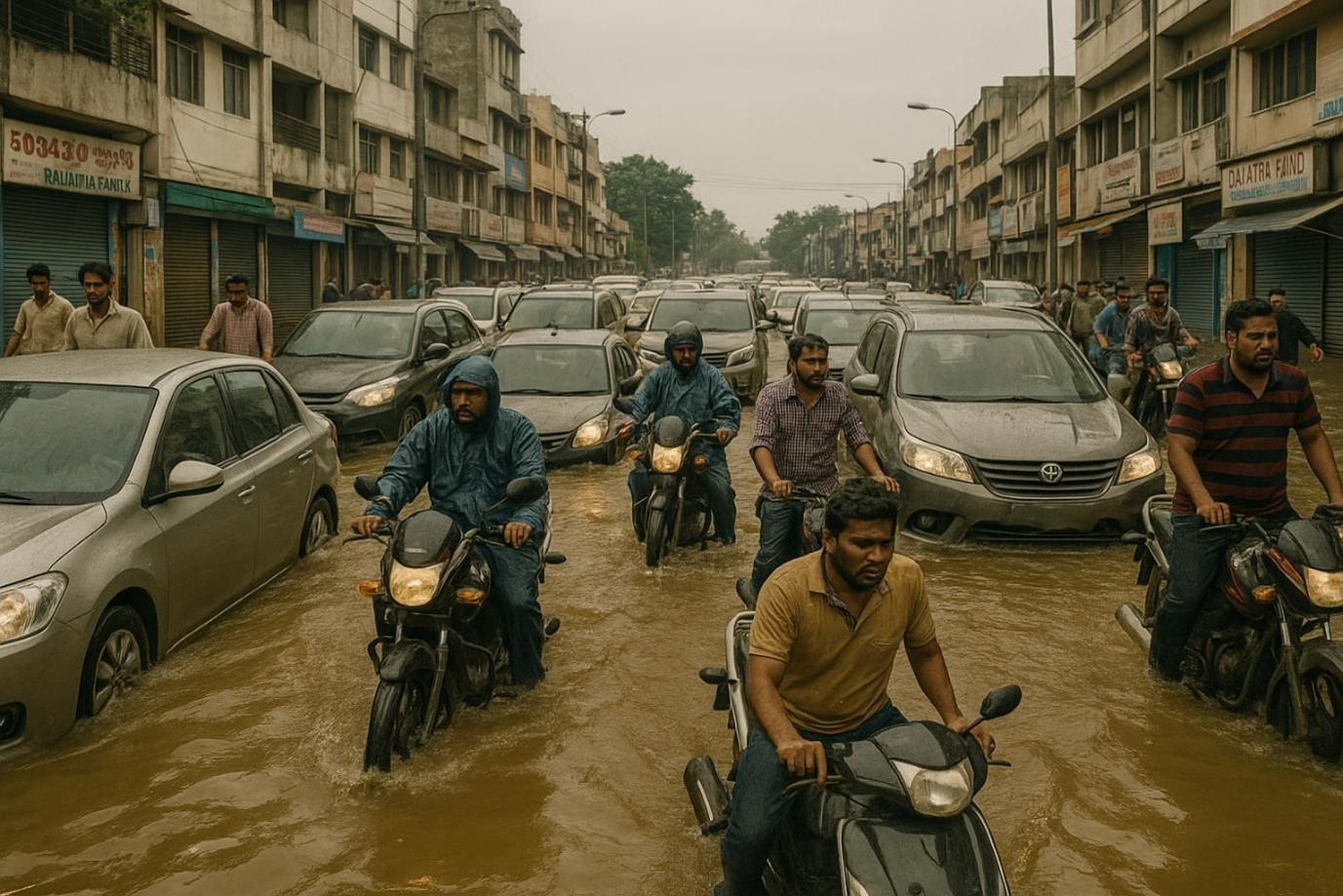
Recently, Bengaluru was dubbed "India's Venice" after days of rain submerged roads, stranded commuters, and halted delivery and transport services. Workers were unable to earn, and many who lived in low-lying informal settlements lost belongings to floodwaters. A UN report indicates that over 3 billion people globally have been affected by extreme precipitation events, which have also claimed 6 million lives.
And yet, these impacts receive little systemic response, particularly for non-agricultural informal workers.
Parametric Microinsurance: A Possible Safety Net for India’s Frontline Workers
Despite growing climate impacts, India has no formal insurance product that covers income loss due to temperature or rainfall extremes for informal sector workers. Parametric Climate Indexed based Microinsurance could fill this gap
How It Works:
- Insurance payouts are triggered automatically when weather exceeds a preagreed threshold (e.g., temperature above 42°C for 3 consecutive days or rainfall above 100 mm in 24 hours).
- No paperwork, no proof of loss is required. Only verified weather data is needed.
- Payouts could be delivered via mobile wallets or bank accounts.
- Monthly premiums should be kept low for making the microinsurance affordable for low income earning households.
Global Precedents:
In the Oceania region, Fiji launched a parametric insurance scheme that issued the first $100,000 payout after extreme rainfall severely impacted low-income households, demonstrating how rapid compensation based on rainfall data can aid recovery, especially for vulnerable island communities. Many other countries like Kenya, Philippine are opting for Parametric Microinsurance for non-agricultural frontline workers.
India with its strong digital infrastructure (UPI, Aadhaar, Jan Dhan) is uniquely positioned to pilot and scale such solutions.
Conclusion
For India’s informal workers, climate change isn’t a future concern rather it’s
an immediate, daily reality. Extreme heat, flooding, and erratic rainfall are
disrupting work, slashing incomes, and deepening existing vulnerabilities.
As we build climate resilience, the focus must go beyond agriculture and
infrastructure. We must design solutions that protect the millions who keep our
cities running and yet remain unprotected in times of crisis. Parametric
microinsurance offers a practical, scalable tool to help these workers recover
quickly when climate shocks strike.
It won’t stop the rain or lower the temperature; but it can offer dignity,
stability, and a measure of control when everything else feels uncertain. In the
age of climate disruption, building financial buffers for those most exposed is
not just smart policy; it’s a moral imperative.
Therefore, we urge policymakers, insurance innovators, and social enterprises to
come together and pilot climate-resilient microinsurance models tailored for
India’s informal workforce.
Bibliography
He, Y., Thies, S., Avner, P., Rentschler, J. (2020), “Mobility and Resilience: A Global Assessment of Flood Impacts on Road Transportation Networks”. Policy Research Working Paper, World Bank.
ILO (2019), “Working on a warmer planet: The impact of heat stress on labour productivity and decent work”.
UNISDR (2015), “The Human Cost of Weather-Related Disasters 1995-2015”.
About MicroInsurance Innovation Hub Foundation
The MicroInsurance Innovation Hub aims to revolutionize the Microinsurance segment, especially in India and the Asia Pacific region. Based in Hyderabad, it focuses on developing inclusive insurance solutions tailored to underserved populations. By exploring product, technological, and process requirements, the hub supports interested companies in penetrating this market segment. With a mission to serve the underprivileged, it strives to enhance insurance penetration and foster inclusive growth.
The Hub would work to support the development of micro insurance in the Indian insurance industry through exploring various aspects of this business, the product range, the technological requirements, the process requirements, and the type of people required to enhance penetration. For more information visit us at contact@microinsuranceinnovation.com
Disclaimer:
The MicroInsurance Innovation Hub is a Section 8 company and has members who intend to foster financial inclusion of underserved and unserved communities through providing Insurance. The Innovation Hub will act as an open platform to the stakeholders of microinsurance. This Hub will exclusively work in the microinsurance and inclusive insurance space in India and other regions. The information provided here is gathered from various sources and MicroInsurance Innovation Hub doesn’t validate any data. The information here are intended solely for internal discussion purposes.